Stopping the Bleed: How the NYSERDA FlexTech Program Cuts the Cost of Compliance
Curing "Paralysis by Analysis" and Escaping LL97 Penalties
You have probably heard the term "FlexTech" floating around New York City real estate circles lately. The city loves a new program that sounds overly technical, but behind the jargon, it actually boils down to one simple question: Who is paying for your energy audit?
Specifically, the New York State Energy Research and Development Authority (NYSERDA) FlexTech Program is designed to split the bill with you when you decide to take a look at how your building actually functions - from the boiler room to the roof.
The $30,000 Hard Pill to Swallow
We've been there. You know the building is hemorrhaging heat in the winter, or the summer electric bills are skyrocketing. However, shelling out $20,000 or $30,000 just to have an engineer tell you exactly what you already suspect feels like a tough pill to swallow. It is money out of pocket before you even lay a finger on a valve or replace a single motor.
FlexTech changes that dynamic. It is a cost-sharing setup where NYSERDA covers up to 50% of the cost of an eligible energy study.
The state's goal is to find systemic inefficiencies so they can move the needle on carbon emissions. Your goal is to get a professional, data-backed roadmap for your building's mechanical systems at half the standard market price.
Beyond the Standard Walk-Through: What FlexTech Covers
This is not a superficial walkthrough. The FlexTech program is broad enough to cover the heavy-duty engineering studies that commercial and multifamily owners actually need.
Depending on your portfolio's vulnerabilities, a subsidized study can look into:
- Deep-Dive Energy Audits: ASHRAE Level 2 or Level 3 assessments that map out exactly where energy is wasted.
- Water Saving Studies: Identifying massive drops in efficiency across domestic water and mechanical cooling loops.
- Specialized Systems: Exploring complex setups like Combined Heat and Power (CHP) or electrification readiness.
The primary objective is to equip you with actual, defensible data. Instead of guessing which upgrade might stop tenant complaints, you have concrete numbers to prove what works.
Curing "Paralysis by Analysis" and Escaping LL97 Penalties
For property managers and boards, the toughest hurdle is often the "paralysis by analysis" phase. When you work through the program, you hire a technical consultant—chosen from a pre-approved list of vetted engineering firms—to do the heavy mathematical lifting for you.
They calculate the exact payback period, upfront capital requirements, and long-term utility savings. If you are debating whether a new heat pump system makes sense, the final report will prove it one way or the other.
Crucially, this data is your best weapon against Local Law 97 (LL97) penalties, which are no longer a distant problem - they are here, and they carry real financial consequences. It makes board meetings or owner updates much quieter when you can point to an independent, subsidized study rather than a gut feeling.
Checking Your Eligibility
If you are looking for the fine print, the official NYSERDA FlexTech Program Overview is the place to start. They outline the specific sectors that qualify, but since most multifamily and commercial buildings in the city cross the state's size thresholds, there is a very high probability your portfolio fits the criteria.
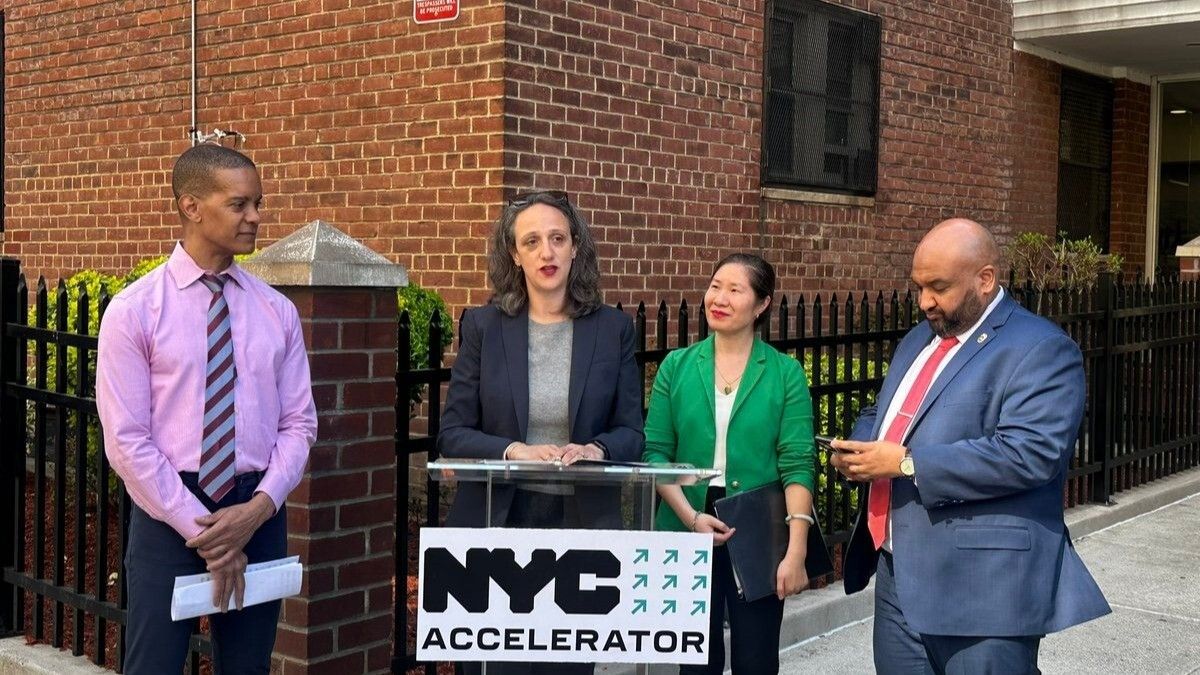
For broader compliance help, the NYC Accelerator Resources on Local Law 97 can help map your FlexTech findings directly to the city's carbon limit targets.
The Bottom Line
Ultimately, leveraging this program is about keeping the Department of Buildings (DOB) off your back while ensuring you aren’t overpaying your utility providers. It is one of the rare instances where the state puts its own skin in the game to lower your upfront risk. It won't fund the final construction bill, but it makes the first step vastly less painful for the annual budget.
Share This Post On Social Media:
Read More ...